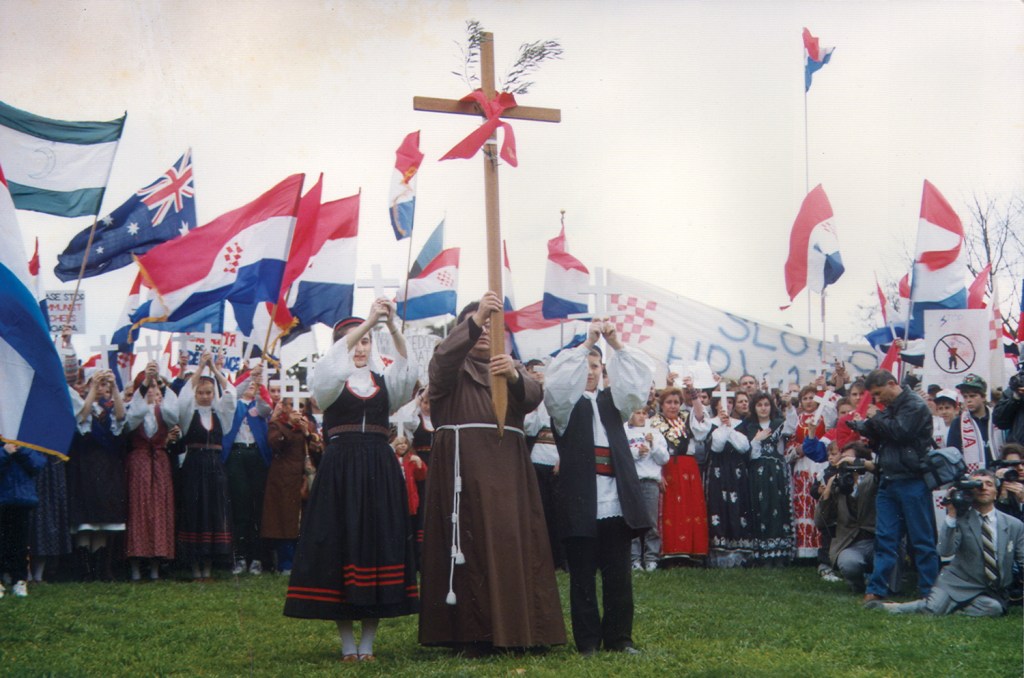
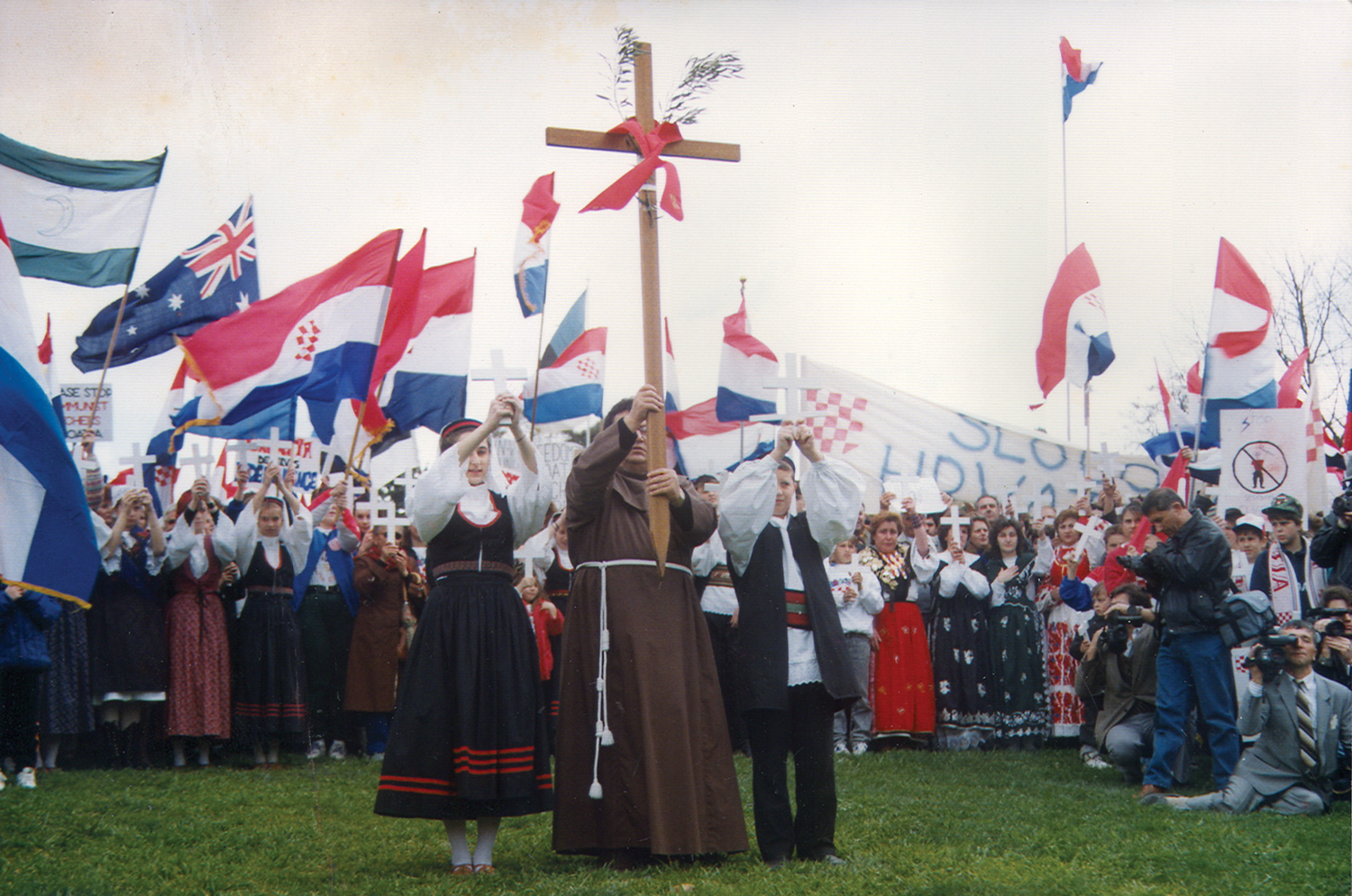
On 15 January 1992, 34 years ago, marked a key day for Croatia’s independent statehood. The Day of International Recognition of the Republic of Croatia is a confirmation of statehood and the full affirmation of the Croatian state within the international community, which led to Croatia’s membership in the United Nations conglomerate of sovereign nations in May of 1992.
The role of the Croatian diaspora in the international recognition of Croatia’s independence, through its powerful lobbying and support, was crucial to that process. Australia was one of the first non-European countries to recognise Croatia as an independent state on 16th January 1992. “…I am proud that so many people of Croatian origin have chosen to make Australia their home. The Croatian community contributes to all walks of Australian life – education, sport, business and government – and it has been generous in sharing with all Australians its culture, language and traditions…” wrote Prime Minister of Australia Paul Keating in his letter to Croatians gathered in Sydney at a gala evening, celebrating Australia’s recognition of Croatia’s independence that very morning.
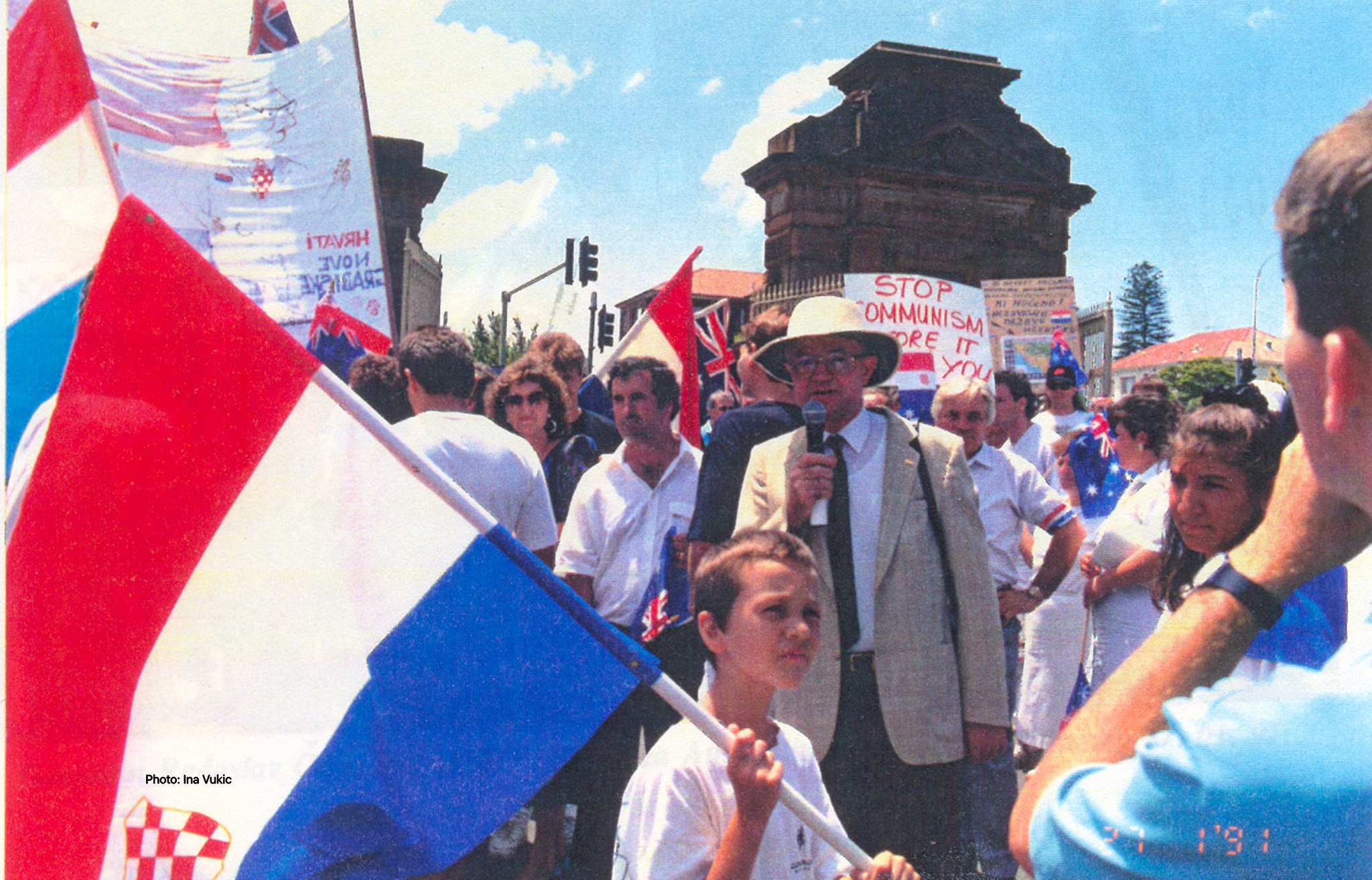
On 15 January 1992, all member states of the then European Community (EC) recognised the Republic of Croatia as a sovereign and independent state: Ireland, Belgium, Denmark, France, Greece, Italy, Luxembourg, the Netherlands, Germany, Portugal, Spain and the United Kingdom. These states were joined by Austria, Bulgaria, Canada, Hungary, Malta, Poland and Switzerland on the same day by the same decision.
The first countries to recognise the Republic of Croatia as an independent and sovereign state from June 26 to December 14, 1991, were countries that were not internationally recognised themselves at the time – Slovenia, Lithuania, Ukraine and Latvia.
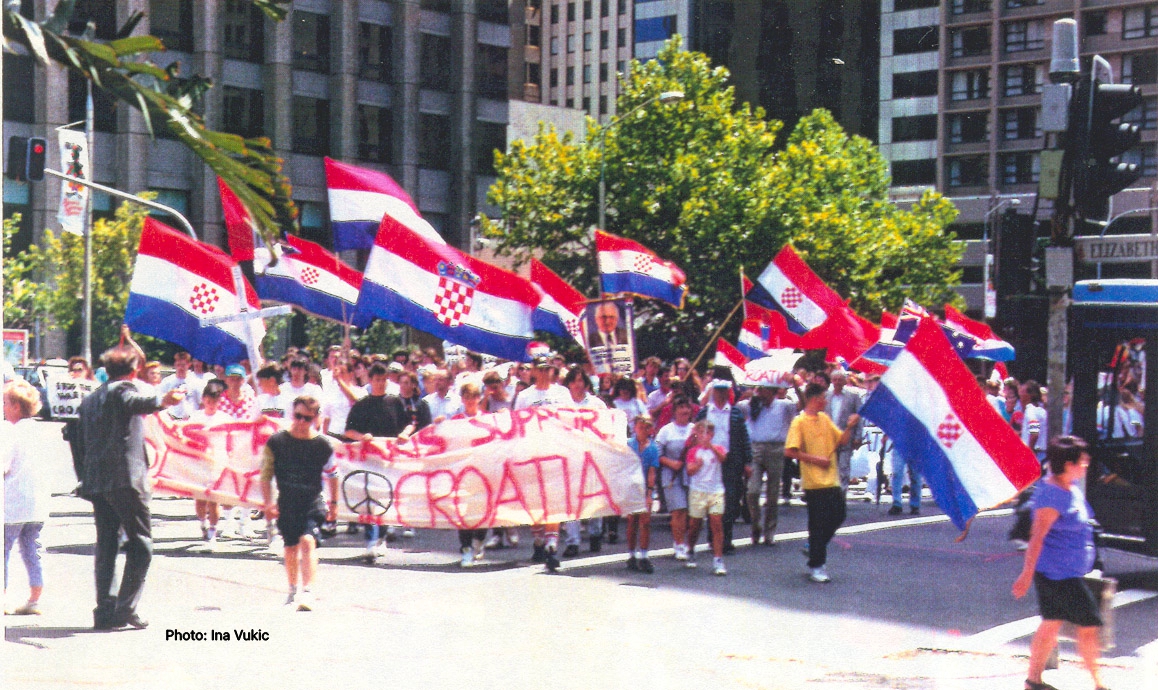
The first internationally recognised state to recognise Croatia was Iceland, which made this decision on December 19, 1991, as did Germany, but Germany’s decision came into effect on January 15 – the day of recognition by other EC members.
International recognition of Croatia, even before the European Community, was announced by Estonia on December 31, 1991, the Holy See on January 13, 1992, and San Marino on January 14, 1992. After the European Community countries, recognition of Croatia was announced by, among others, the following countries: Argentina and Australia on January 16, Turkey on February 6, the Russian Federation on February 17, Iran on March 15, Japan on March 17, the USA on April 7, China on April 27, India on May 11, Indonesia on May 16, 1992.
Even before international recognition and before the adoption of the Constitutional Decision on Sovereignty and Independence (from communist Yugoslavia) of 25 June 1991, Croatia began to open its representative offices on the basis of a decision of the President of the Republic of Croatia, Franjo Tudjman, which stated that representative offices were established “for the purpose of promoting the interests of the Republic of Croatia, establishing and strengthening its state sovereignty and international subjectivity” (Official Gazette NN, No. 21/1991). These representative offices were established with crucial support of the Croatian diaspora.
The international recognition of the Republic of Croatia followed key events and decisions: the adoption of the Constitution of the Republic of Croatia on 22 December 1990, the referendum decision on the sovereignty and independence of the Republic of Croatia on 19 May 1991 in which 94.23% of voters voted at referendum to secede from communist Yugoslavia, which was transformed in the Parliament of the Republic of Croatia into the Constitutional Decision on the Independence and Sovereignty of the Republic of Croatia and into the Declaration on the Proclamation of the Sovereign and Independent Republic of Croatia of 25 June 1991, the Agreement of the Parliamentary Parties on the Government of Democratic Unity of 2 August 1991, the Decision on the Severance of State and Legal Relations of the Republic of Croatia with Yugoslavia, the Conclusions on the Aggression against the Republic of Croatia of 8 October 1991, and others.

A brutal, genocidal war of aggression against Croatia and Croats by the Yugoslav People’s Army and rebel Serbs ensued, with the aggressor occupying and ethnically cleansing a quarter of the Croatian territory. On May 1, 1995, Croatian forces struck back to retake areas of the country that rebel Serbs had seized in western Slavonia. In less than 32 hours, this Operation Flash freed some 500 sq km and paved the way to reopen the motorway and railway from Zagreb to eastern Slavonia, two key routes connecting the east and west of the country. Three months later, in August 1995, the bigger Operation Storm swiftly liberated much of the rest of its occupied territory. Then followed the period of peaceful reintegration of the remainder of its occupied territory into Croatia. To implement this process, the UN Security Council established a special UN Transitional Administration in Eastern Slavonia (UN Transitional Authority in Eastern Slavonia, UNTAES), which began on January 15, 1996 and ended on January 15, 1998.
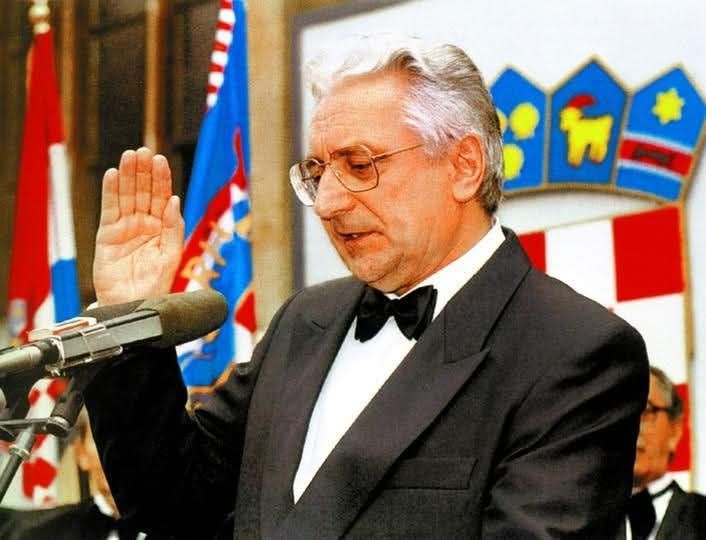
And so, one may say that on January 15, 1998, all of Croatia’s territory made up the sovereign state of Croatia that was internationally recognised by the measure of Croatia’s internationally recognised and established borders.
The path to Croatian independence was truly a history of vision, boldness, courage, sacrifice and progress. I am deeply proud to have played a shining role together with many others in this path. Ina Vukic




 Croatia, the War, and the Future
Leave a comment