An inspirational story of the search for truth and redemption
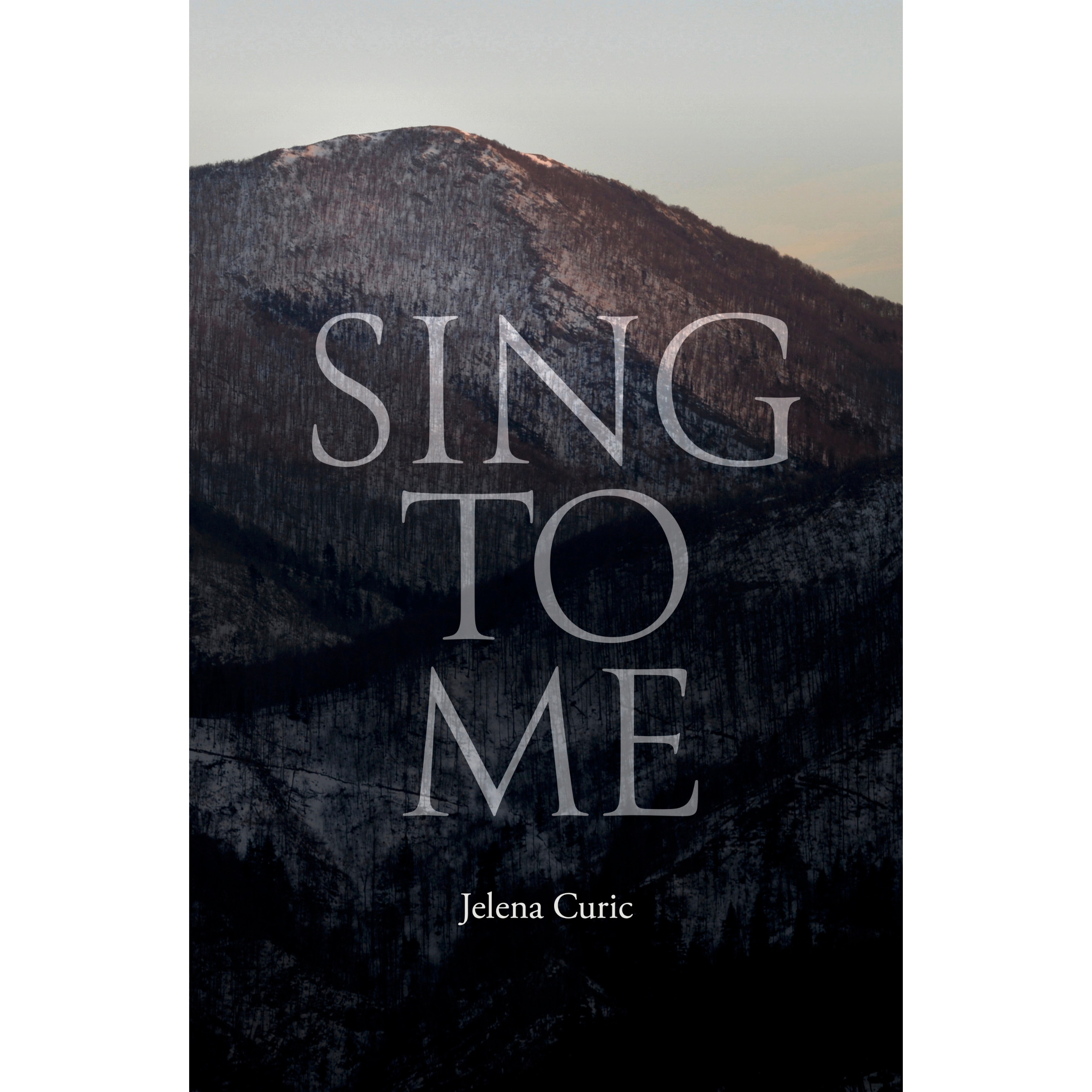
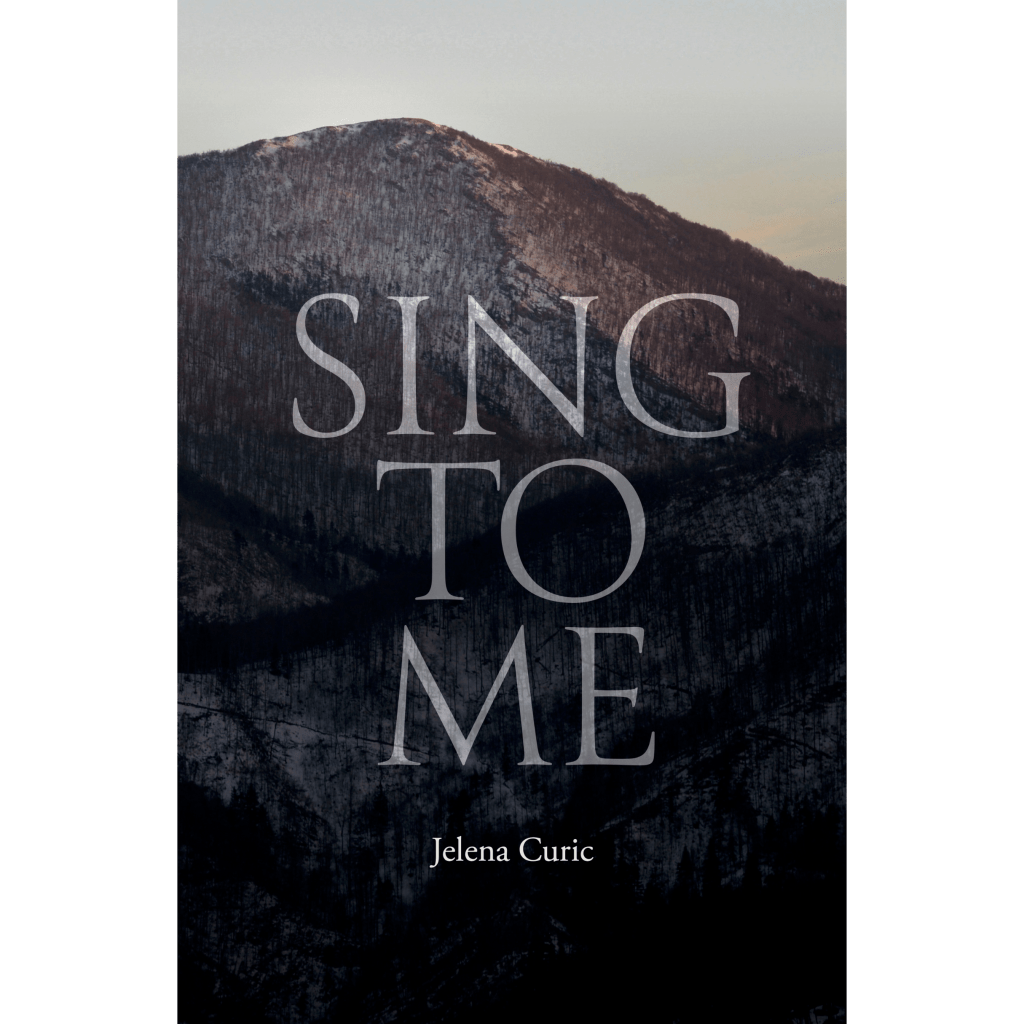
“Sing to Me”, a readily captivating, well-written new and debut novel by Sydney, Australia-based Jelena Curic, an otherwise highly established and respected musician, presents the story set in 1980 in the Lika part of Croatia, as well as in Bosnia and Herzegovina, of Pero Petrovic, a Croatian immigrant in Australia who fled communist Yugoslavia without, for safety reasons, saying goodbye to his parents or anybody else, only to return for the purpose of finding the truth behind the questions that have haunted him for many years and, ultimately reconciliation.
Pero is a hard-working family man, but also a philanderer who drinks too much and gambles away the family fortune. He grapples with the pain of the unknown, the confusion that had driven a deep, silent ravine between him and his father, Miro, and the unsettling pain of bitter estrangement from his best friend, Bepo. He seeks to reconcile with both. In the wake of the death of the communist Yugoslavia’s leader in May 1980, Josip Broz Tito, Pero embarks on a journey intent on illuminating the roots behind his personal relationships, or lack of them, within his family and friendship circle that had weighed heavily upon him for many years. In many ways, it is a journey from darkness to light, where the pursuit of forgiveness and understanding is the ultimate achievement, ideally for all sides.
“Sing to Me” is an engrossing story with many pervading layers woven through it, or rather, through the life of Pero, the story’s protagonist. There are unsettling memories of World War II in the former Yugoslavia, which unveils two intense foes so ably that both leave Pero uneasy. Those who fought as patriots to pluck Croatia as an independent state from Serb-led Yugoslavia, among whom Pero feared, may have been those who committed unspeakable crimes, and the communist Partisans who fought to retain Croatia within the Yugoslav multiethnic conglomerate and committed unspeakable crimes, and the darkness that unfolded in the communist-run Croatia/Yugoslavia for much of the population after the War.
There is a layer of communist oppression and political persecution that destroyed families and drove people like Pero to boldly flee to foreign, unknown lands in order to save their freedom and even their lives. Examples of communist oppression that drove people innocent of any crime or misadventure are visible and palpable in this book, and educational, especially for those whose understanding of the manner of oppression may be desperately lacking and yet necessary. Necessary for the understanding of their ancestors, particularly.
Even without very graphic descriptions, there are a couple of disturbing passages on the violence of killing during the war that I believe make this book best suited for those 15 years of age and older. There is a layer of portrayal of violent acts of killing during the war, as perhaps sacrifices of individual rights and moral standings for the supposed greater good, that leaves a reader contemplating and dissecting even the darkest of deeds perpetrated in association with political battles for freedom.
Pero’s searching his soul for moral justification or, at least understanding, of acts of killing his father may have committed leaves a particular feeling of deep psychological and moral battles and regrets that Pero seeks to harmonise with the duty of love of a parent, no matter what. With the niggling backdrop of the Croatian side’s falsified war history by the communists, Pero battles to steer himself away from the urge to shed light on even the darkest of truths, from others as well as from his father’s lips. The lips that had been tightly closed for many years.
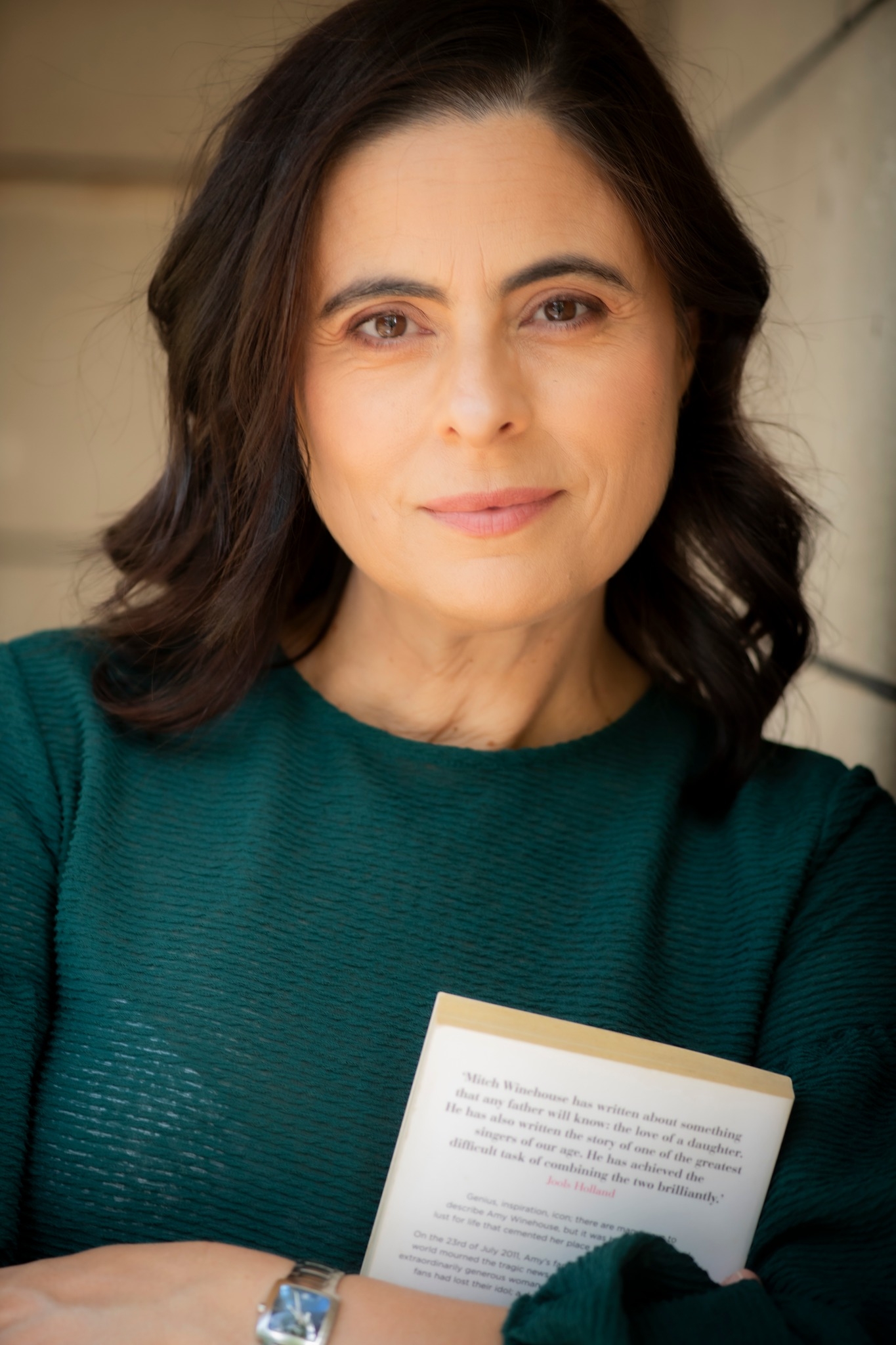
“For a while after the war, when I slept, I did not dream. But then the children appeared. And I drank. And when I drank, my nights were silent, and I didn’t see their faces anymore! …I chose to stay – and kill for what I believed was freedom. But the price of freedom was high, Pero. I live with what I have done. And I live without freedom,” Miro, driven by the desire not to lose his son completely, reluctantly summarised to Pero the haunting that had propelled him into long-lasting silence, withdrawal into playing music and singing in solitude, abandoning even the basic chores a husband usually helps his wife with in keeping a household in the rural, poor area of Lika.
The layers of oozed, intimate confessions and recounts from his father, his friend Bepo, and Pero himself are particularly compelling as vehicles to forgiveness and understanding. The kind of forgiveness that leaves a bitter taste lingering, scar-cutting shrapnel in Pero, but does, however, make living lighter, bearable. The repair of his relationship with his father and his best friend, Bepo, the frank validation of feelings between them, and the frank validation of the reasons behind the rifts in their relationships are potent layers of this story in which singing and music are very aptly inserted throughout the story as though a tool for the book’s characters that could mellow down even the harshest of destinies and circumstances. As though a balm for the troubled soul.
The cigarette smoke-filled cafes, the copious drinking of “rakija”, home-made grape brandy, by men and women, the loud music that lifts the spirits of even those barely surviving in the dungeons of despair, the thuggery encountered, the cruel racism against the Roma people, the odious and dangerous arrogance of communist authorities, the constant fear of political persecution should one dare to speak loud criticising the communist regime, and much more of the cultural malaise in communist Yugoslavia at the time all add up to being the catalyst that helps Pero realise how fortunate he is to have a family and live in Australia where freedom is ample. Pero returns to Australia and to his music and singing.
“When he sings a Croatian song, the people cry out with joy and sing along. There are no police to think of, they are free here to sing whatever they like, whenever they like.”
If you enjoy witty dialogue and off-centre characters faced with the grit of life, if you enjoy plots that include having passion and perseverance for relationship repair, if you enjoy “a ride” on a path to atonement and reconciliation, seeing challenges as opportunities, and showing mental toughness to keep going despite setbacks, “Sing to Me” by Jelena Curic is a great read. Ina Vukic, Prof. psych. (ZAG); B.A., M.A.Ps. (SYD)
The book may be purchased at places that include:
Westwords Or Amazon Or QBD Books




 Croatia, the War, and the Future
Leave a comment