It can be said that the world is, with horror, very aware that the Great Terror of 1937, also known as the Great Purge, was a brutal political campaign led by Soviet dictator Joseph Stalin to eliminate dissenting members of the Communist Party and anyone else he considered a threat. The terror continued. The world, however, is little aware of the great terror perpetrated by Yugoslav communists, led by Josip Broz Tito, who were during and after the Second World War tied to Stalin’s political umbilical cord. In the manner of torture and killings, in pursuits to mow down most, if not all, dissent, the dissent being the fight for a free Croatia. Like Stalin, Tito used terms such as “fifth column,” “enemy of the people”, and “saboteurs” to describe those who were sought out for slaughter and destruction. One can safely assume that the Cold War era enabled the entire world to learn about Stalin’s communist purges, yet somehow, Tito managed to avoid the same fate, and his regime continued its terror, albeit on a smaller but significant scale, unhindered well into the 1980’s. Perhaps because the West decided, foolishly risking truth and disregarding victims, that communist Yugoslavia, positioned geographically between the Soviet-dominated Eastern Bloc (Warsaw Pact) and the Western NATO powers, would form a “good” buffer zone between the communist and democratic blocs. That is one of the reasons why books that detail communist crimes in Croatia are a most valuable asset for acknowledging a true and full history and understanding it, so that such knowledge equips mankind with the determination for peace and justice.
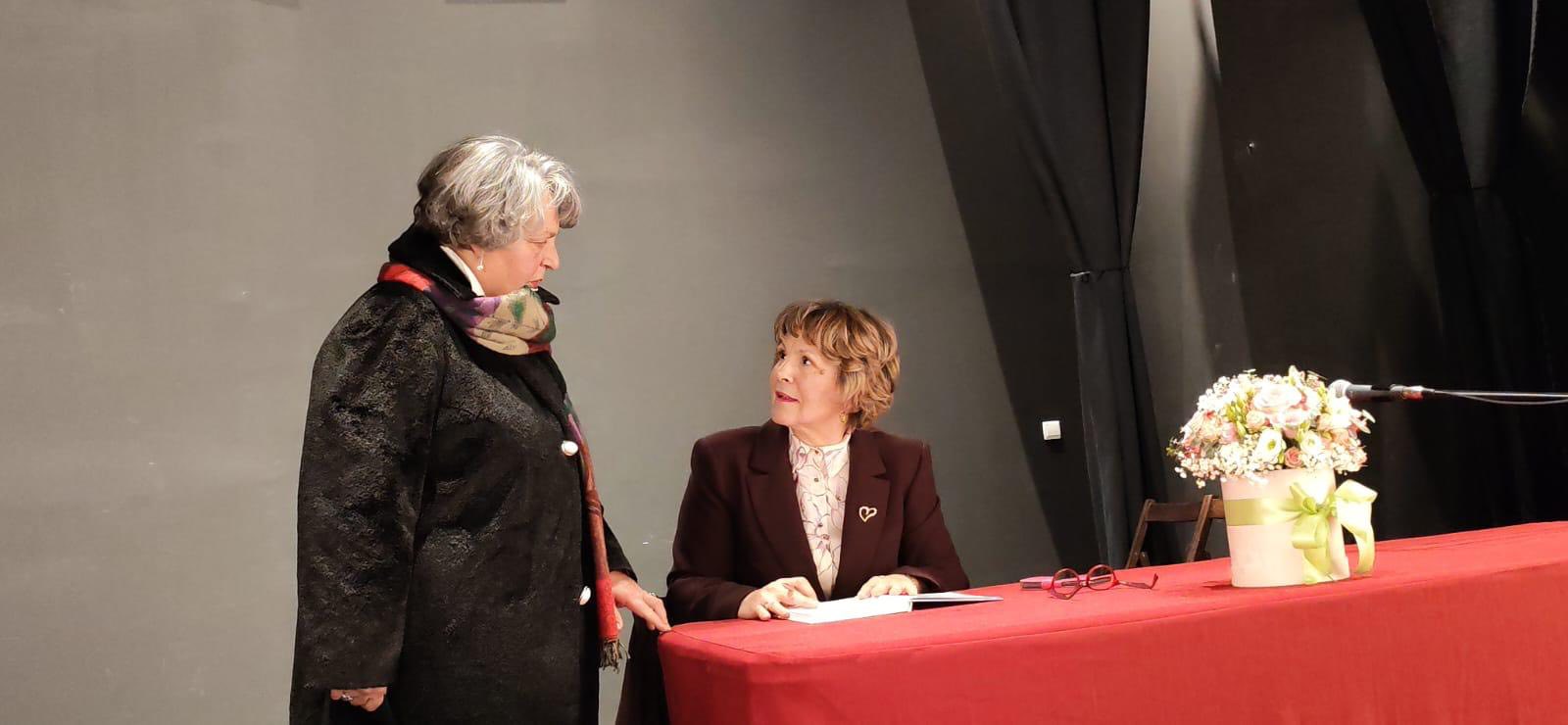
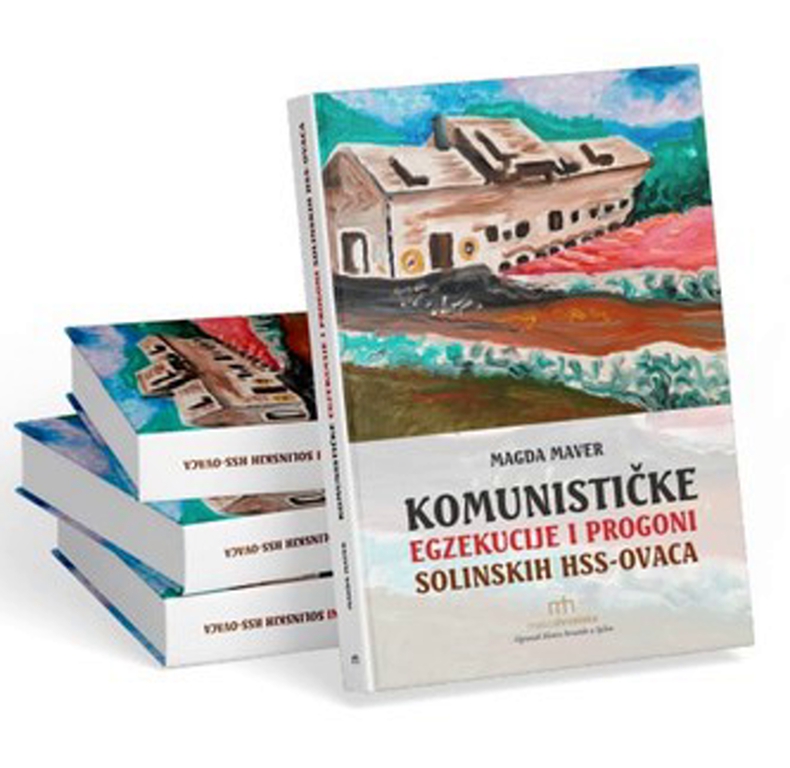
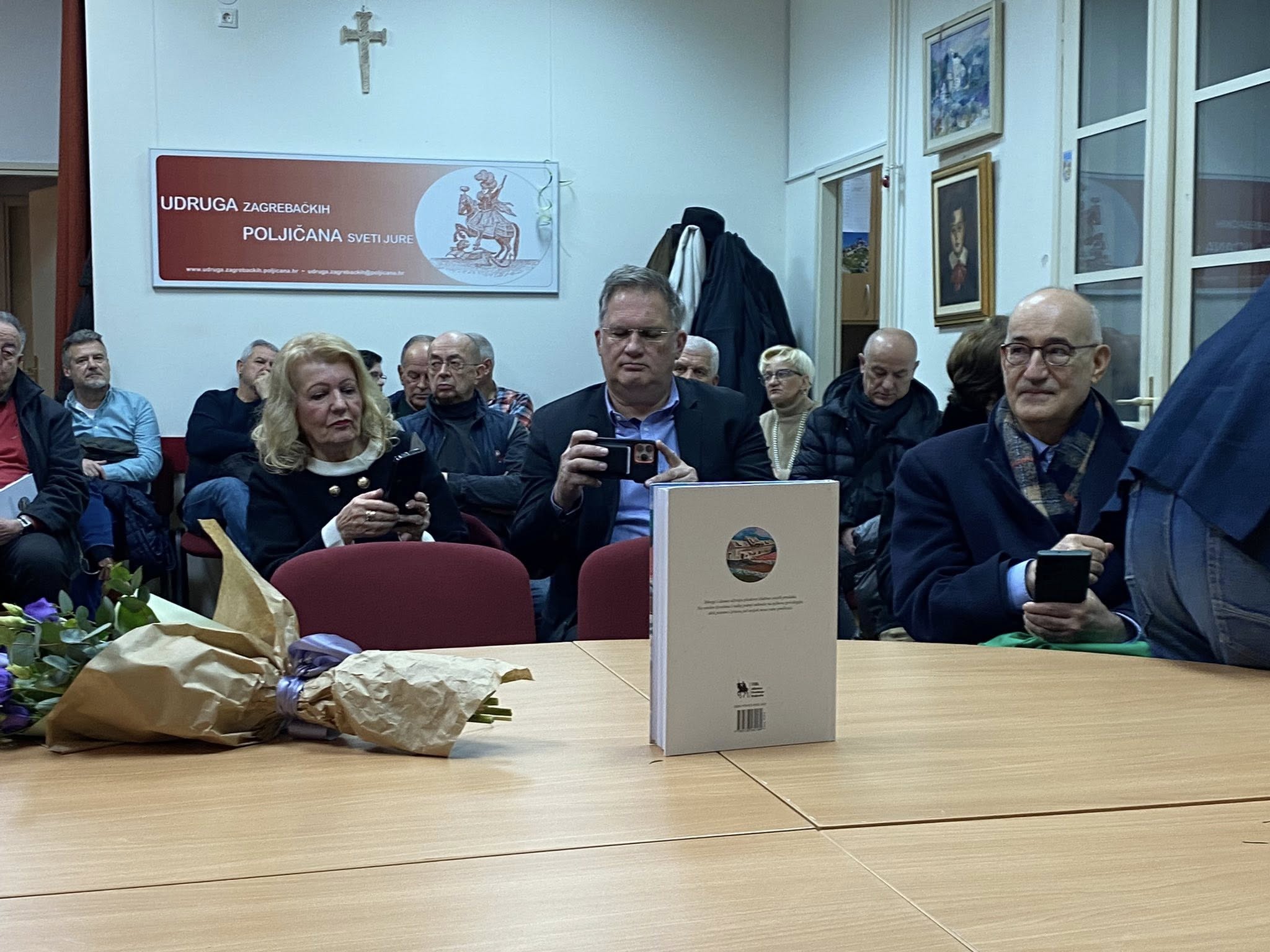
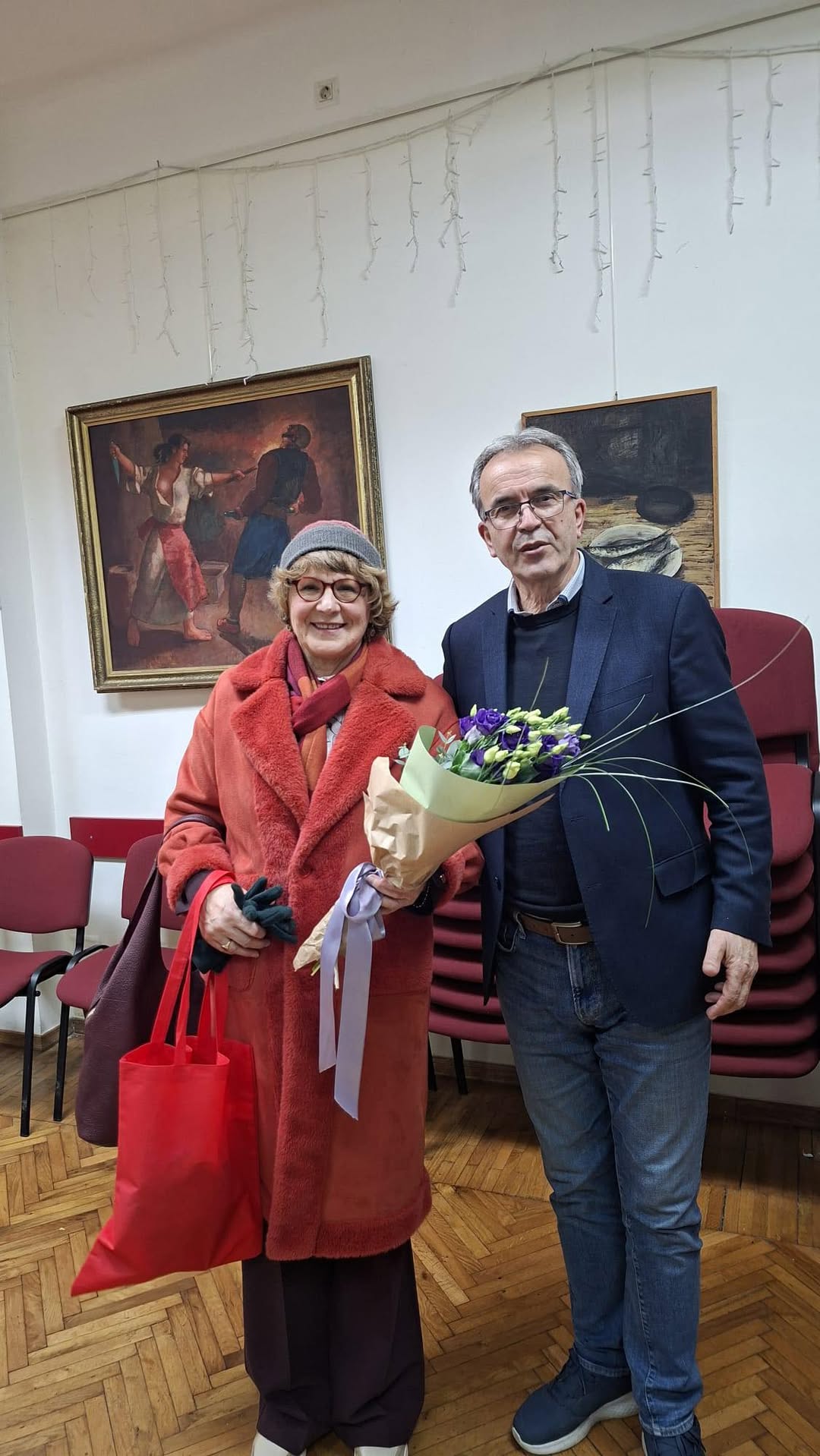
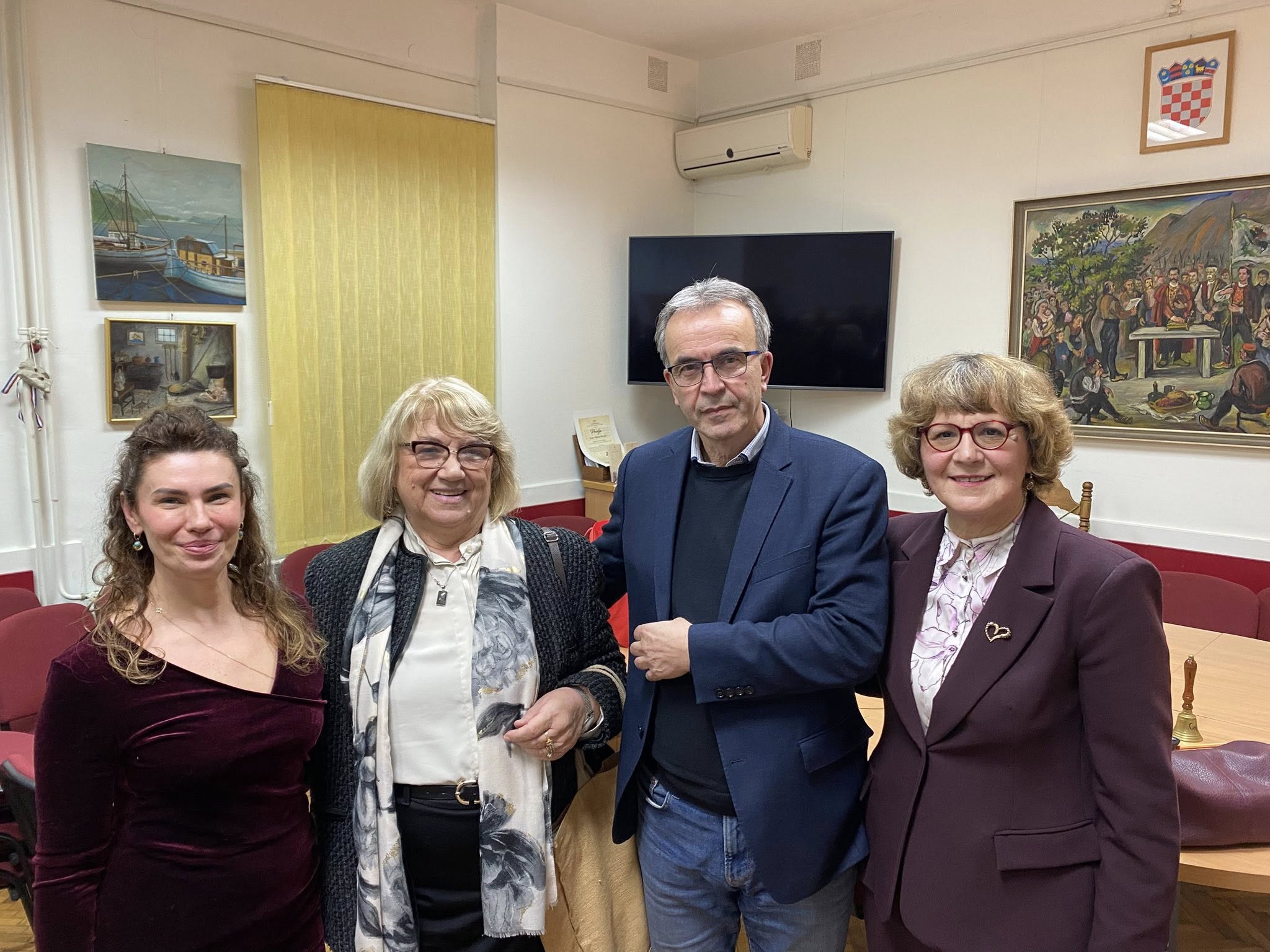
On January 20, 2026, in Split, the branch of Matica Hrvatska (Matrix Croatica) presented the book “Communist Executions and Persecutions of the Solin HSS,” written in the Croatian language by Magda Maver, in memory of the suffering of the people of Solin. Book promotions continue, including in Zagreb on 28 January 2026.
The communist executions and persecutions of Solin HSS members refer to the cruel, often secret, liquidations and abuses of members and sympathisers of the Croatian Peasant Party (HSS) in Solin and the surrounding area, after 1945, where, activists were victims of the communist regime because of their democratic beliefs and affiliation with the HSS people’s movement, are one of many examples of communist crimes against Croatian patriots. The more such revelations the world becomes aware of, the greater is the pursuit of justice for all mankind.
The author of this book, Magda Maver, a highly respected English teacher and advisor at the Split Civil Engineering and Geodesy High School, brings to today’s public consciousness the significant role the Croatian Peasant Party (HSS) played in the Solin area during the first half of the 20th century. The Solin basin was one of the few places in Dalmatia with such a strong and well-organised HSS, led by a group of about 20 young people. Their leader was Marin Kljakovic, and among the more prominent members were Tonko Vuleta and Dinko Grubisic.
“My mother’s two brothers, Tonko and Nikola Vuleta, fell into the heartless hands of the communists. Carefree and unarmed Tonko swam in the Jadro River when he was cowardly killed. Nikola, fighting against the Germans on the island of Brac, was seriously wounded. His surname decided his fate. Just because he was Tonko’s brother, he was deliberately left to bleed to death. While the other wounded were being transferred to the island of Vis, he was denied help. The postman from Solin, Lovre Curepic, fearing for his own life, who was trembling for his own life, aware that the truth at that time meant mortal danger, testified about this terrible injustice secretly to the Vuleta family. Today, the truth, more powerful than words, echoes from his silence. The fate of the Vuleta brothers remains a painful proof that ideology was elevated above man, above justice, above the very right to life,” writes Magda Maver in her book.
Tonko Vuleta (June 19, 1916 – August 20, 1943) was a follower and activist of the HSS policy, a popular movement that united the centuries-old struggle of the Croatian people for freedom and the creation of their own state. In the Croatia that Tonko fought for, parliamentary democracy was supposed to serve as the starting point for implementing the social doctrine of the Radic brothers, i.e., democratic principles, justice, and equality for all citizens. He was a loyal Croatian patriot and fighter for truth and justice. He fought for the realisation of the historical dream of the Croatian people of a free and independent state of Croatia. He was an individual victim of communist violence, and there were many such victims. In 1941, he organised a rebellion against Yugoslav officers on Vaganj, believing in the right of his people to decide on their own destiny. The communists did not forgive him for this. They killed him as soon as they got the chance. Assassinated while swimming in the Jadra River, writes Magda Maver about the fate of her uncle.
The book also talks about the fate of Dinko Grubisic (1912-1943), who succeeded Tonko Vuleta as secretary of the HSS. He witnessed the assassination while swimming with Tonko in the Jadra River. When the criminals opened fire, Dinko jumped and dived into the river and thus managed to save himself.
However, after some time, the partisans arrested him, took him to the village of Kucine, not far from Solin, and returned him home dead two days later. His mother, Andra Grubisic, was offered a veterans’ pension, which she refused with disgust, thereby demonstrating moral strength and dignity despite her personal tragedy. She sent a strong message – that justice and honour cannot be bought; the author points out.
The book also looks back at Katalinic Hill (in Split), which in the darkest times of communist repression was a symbol of suffering, pain and injustice. It was not an ordinary prison; it was a torture chamber, where people lost their health, dignity, their minds… Some forever. Today, in memory of the innocent victims of that regime, that path is called the Victims of Communism Trail, but not even a thousand words can describe the horror that took place there. Under the old prison walls, in the cells below sea level, damp darkness reigned. Water constantly dripped on the prisoners’ heads, those tiny, persistent drops that in their endless monotony became a weapon of torture, a sound that destroyed body and spirit.
Thus, in 1952, Ivan Bralic, a member of the HSS from Solin, spent a hellish year in these inhuman conditions. Even after that, there was no end to his suffering. He was sent to the Sibenik prison for another three months, because the regime did not forgive those who thought differently. His children, Sjajna and Berko, saw him only from a distance, once a week, on the terrace of the then courthouse, when prisoners were allowed to take a walk.
“That scene, that helplessness, that distance, was forever etched in their memories. At the trial, while they listened to the false accusations against their father, little Sjajna choked on tears, wiping the tears from her face, until scabs formed on her cheeks. It was the pain of a child watching her father being destroyed by the cruel hand of the regime. And what was he accused of? What was his “crime”? He did not want to bow down; he did not want to join the Communist Party. They said he wore genuine leather shoes that squeaked and a coat made of Crombie fabric (a Crombie coat is a classic, elegant coat originating in the United Kingdom). ‘Luxury’, they said, unsuitable for a man who would not keep quiet and would not obey. And he was just a butcher, a worker, a man who earned his bread honestly. But that was not enough for those who wanted his downfall,” the author wrote.
Ivan Bralic’s friend Joskan Gaspic spent three years in prison in the notorious Lepoglava. His “crime?” was driving a German officer. That was enough to ruin his life.
Those were times when people disappeared, times when communists could destroy a family with a single signature or the stroke of a stamp. Cruel, dark, heartless times in which there was no room for those who dared to think for themselves.
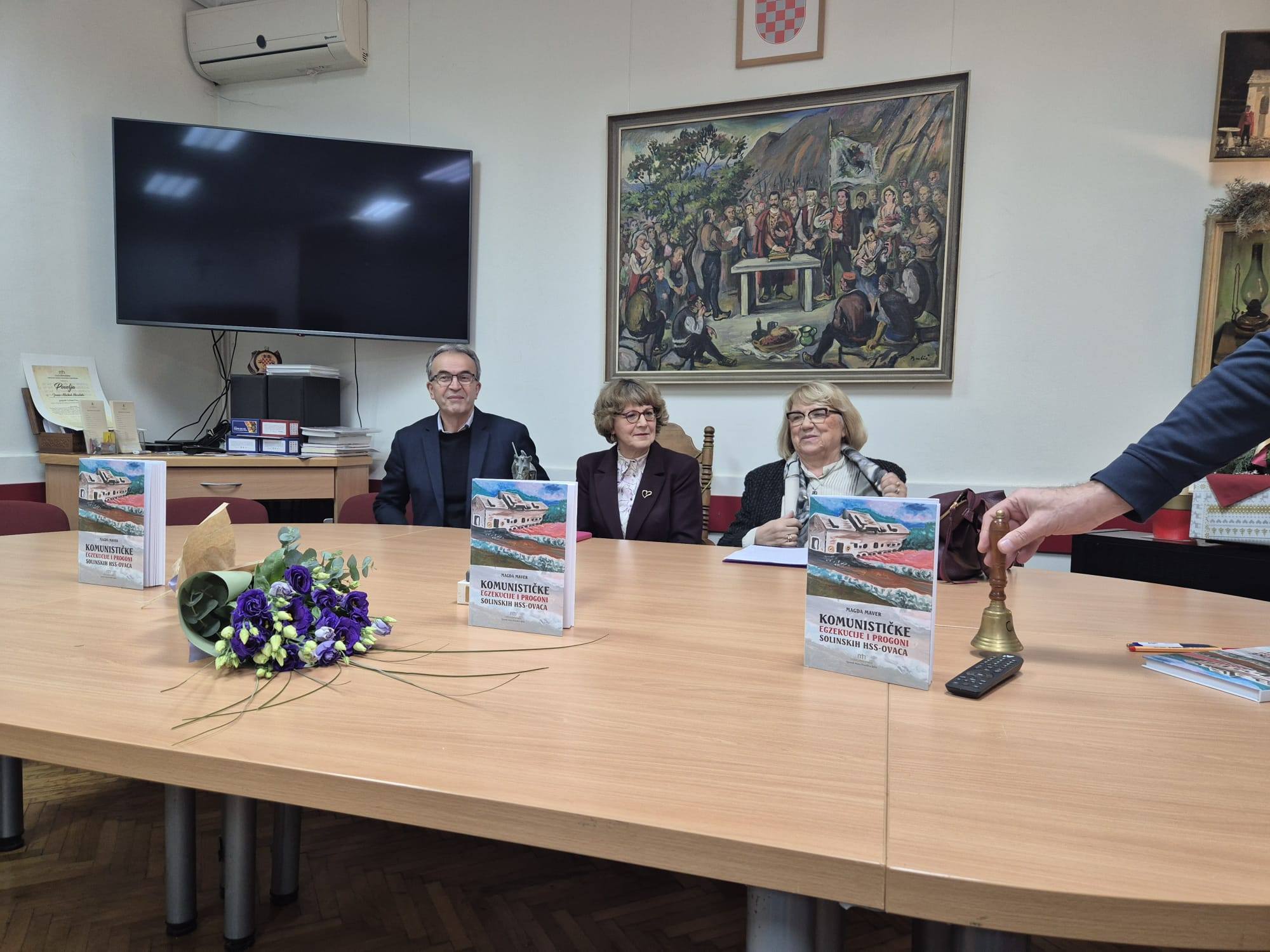
The book emphasises the importance of historical truth, justice and common memory, but without inciting new divisions
“There have long been opposing narratives in Croatian society. Some glorified the communist regime, while others highlighted the suffering of nationally determined individuals and groups. However, the truth is not black and white, and no suffering should be ignored. Reconciliation is not forgetting but acknowledging all victims and learning from past mistakes to build a more just society. It is based on justice, truth and mutual respect. That is why this book emphasises the importance of historical truth, justice and common memory, but without inciting new divisions. It explores the torture, liquidation and persecution of political dissenters, especially members of the HSS, during World War II, but its purpose is not to deepen the conflict or incite new divisions, but to understand history as the basis for reconciliation and a common future. My goal was not to persuade anyone to change their beliefs, but to create a space where different views can be heard, understood and accepted as part of a common history. Because that is exactly what “for Croats, the foundation of long-term peace and stability,” emphasises the book’s author, Magda Maver, adding that the book was not written to judge, but to encourage dialogue, understanding and honest dealing with the past so that the future is free from the burden of ideological conflicts.
Translated and prepared by Ina Vukic
Most of this article in the Croatian language can be found here.




 Croatia, the War, and the Future
Leave a comment