-
Continue reading →: Accused War Criminal Fails Last Ditch Effort To Avoid Extradition To Croatia
Serb national and Australian citizen (who migrated to Australia at the age of 14) Dragan Vasiljkovic, 60, also known as Captain Dragan, who has lived in Australia under the name of Daniel Snedden, is a man wanted by Croatia on charges of war crimes committed during the 1990’s war.…
-
Continue reading →: Croatia: Bleiburg Massacres Victims Still Hostages Of Communist Ideology
Croatian media sources say some 30,000 and Austrian sources say some 50,000 people gathered at the Bleiburg field in Austria on Saturday 16 May 2015 to bow and pay respects to the post-WWII victims of heinous communist crimes. This year marks the 70th anniversary of the terrible deaths suffered at…
-
Continue reading →: History Of Croatians In Mother’s Image
It’s Mother’s Day today and I pay special tribute to a most special mother to Croatians. Eighty-three years ago, in 1932, Croatian world-renowned artist and sculptor Ivan Mestrovic (1883-1962) created a marvelous sculpture through which he would interpret and symbolise the history of the Croatian people. Ivan Mestrovic’s sculpture of…
-
Continue reading →: Croatia: Historians Row Over Significance Of Tito
On 4th May, 1980, Josip Broz Tito, communist leader of former Yugoslavia, passed away and it just happens that this year on the 35th anniversary of his death two prominent Croatian historians appeared for just over 6 minutes on the HRT News program. “Historians agree only in one thing…
-
Continue reading →: Croatia: Bear Hugs In Home For Abandoned Cubs
There is a sanctuary, a refuge for brown bear cubs in a small village Kuterevo, Croatia. Besides abandoned brown bears, baby brown bears that due to an accident or poaching have been separated from their mothers and are too young to live independently have found a home in Kuterevo, on…
 Ina Vukic: I was born in Croatia and live Australia. I have been described as a prominent figure known for my contribution to the Croatian and wider societies, particularly in the context of Croatia’s transition from communism to democracy, as well as for my many years of work as a clinical psychologist and Chief Executive Officer of government-funded services for people with disabilities, including mental health services, in Australia. In 1995, the President of the Republic of Croatia awarded me two Medals of Honor, the Homeland War Memorial Medal and the Order of the Croatian Trefoil for her special merits and her contribution to the founding of the Republic of Croatia. I have been a successful blogger since 2011 and write extensively in the English-language on issues related to Croatian current affairs and democracy, as well as the challenges Croatia faced and still faces in its transition from communism. My goal is to raise awareness of these connections and issues worldwide.
Welcome to my blog.
Here I will bring to you a variety of topics covering the documented truth about that terrible war that Croatia had to endure during the period between 1991 and 1995 and about Croatian political history that shaped a wonderful nation of people.
Croatian people wanted independence for centuries, just as they had it until the twelfth century, but fate was not on their side – others wanted their beautiful land. In late 1980′s the will to break free from Yugoslavia which suffocated freedom and self-determination through harsh communist party rule finally bore the desired fruit.
In June 1991 Croatia declared its independence; soon after the aggressive war against Croatia broke out. The struggle of the Croatian people for self-determination was a just one. But I fear genuine justice has not been served as there have been, and there still exist, international covert and overt moves to equate victims with aggressors continue in attempts to change history. Truth often becomes obscured and lost and that is why I have chosen to write this blog, to concentrate on actual events and issues about Croatia – wishing it a bright and freedom-loving future.
It certainly was not easy to come out of the war that was fought on two fronts:
1. On the military front the world’s public has seen the indiscriminate bombardment of Croatian cities, towns and villages from land, sea and air; the destruction of civilian targets including homes, schools, hospitals, churches, factories and cultural monuments; the blockading and destruction of roads, bridges and ports; the blockading of power, water, food and medical supplies. What hasn’t been shown on our television sets is the forced clearing and evacuation of towns and villages, followed by looting, torture, rape and murder carried out by the Serbian forces, who were initially backed by the federal Yugoslav army that was largely constituted by Serb nationals; the transportation of multiple hundreds of innocent Croatian civilians from Croatia into concentration camps Serbia (Begejci, Stajicevo, Sremska Mitrovica… from October 1991, and later (1992) transferred into Serb-held camps in Bosnia and Herzegovina (Omarska, Keratern, Manjaca, Trnopolje).
2. The second front was the war of political propaganda centred on: misinformation about the rights of minorities in Croatia; portrayal of the Croatian people as Ustasha or Fascists; the representation of the Croatian defence forces as illegal paramilitary units; the representation of the Croatian and Slovenian republics as unreasonable secessionists who are unwilling to negotiate; a regurgitation of distorted facts about World War II.
Indeed, Croatia had an absolute right to defend itself and this is often forgotten if not often denied it.
SUBSCRIBE TO MY BLOG
RECENT POSTS:
- Justice is finally on its way for Eight Croatian Children Murdered in 1993 in the Town of Vitez by the Muslim-led Army of Bosnia and Herzegovina
- Croatia: Communist Executions and Persecutions
- “Sing to Me” by Jelena Curic
- Croatian independence: path of vision, boldness, courage, sacrifice and progress
- The Bell Tolls for 66 Franciscans
WONDERS OF CROATIA
COMMUNIST CRIMES
ARCHIVES:
- February 2026
- January 2026
- December 2025
- November 2025
- October 2025
- September 2025
- August 2025
- July 2025
- June 2025
- May 2025
- April 2025
- March 2025
- February 2025
- January 2025
- December 2024
- November 2024
- October 2024
- July 2024
- June 2024
- May 2024
- April 2024
- March 2024
- February 2024
- January 2024
- December 2023
- November 2023
- October 2023
- September 2023
- August 2023
- July 2023
- June 2023
- May 2023
- April 2023
- March 2023
- February 2023
- January 2023
- December 2022
- November 2022
- October 2022
- September 2022
- August 2022
- July 2022
- June 2022
- May 2022
- April 2022
- March 2022
- February 2022
- January 2022
- December 2021
- November 2021
- October 2021
- September 2021
- August 2021
- July 2021
- June 2021
- May 2021
- April 2021
- March 2021
- February 2021
- January 2021
- December 2020
- November 2020
- October 2020
- September 2020
- August 2020
- July 2020
- June 2020
- May 2020
- April 2020
- March 2020
- February 2020
- January 2020
- December 2019
- November 2019
- October 2019
- September 2019
- August 2019
- July 2019
- June 2019
- May 2019
- April 2019
- March 2019
- February 2019
- January 2019
- December 2018
- November 2018
- October 2018
- September 2018
- August 2018
- July 2018
- June 2018
- May 2018
- April 2018
- March 2018
- February 2018
- January 2018
- December 2017
- November 2017
- October 2017
- September 2017
- August 2017
- July 2017
- June 2017
- May 2017
- April 2017
- March 2017
- February 2017
- January 2017
- December 2016
- November 2016
- October 2016
- September 2016
- August 2016
- July 2016
- June 2016
- May 2016
- April 2016
- March 2016
- February 2016
- January 2016
- December 2015
- November 2015
- October 2015
- September 2015
- August 2015
- July 2015
- June 2015
- May 2015
- April 2015
- March 2015
- February 2015
- January 2015
- December 2014
- November 2014
- October 2014
- September 2014
- August 2014
- July 2014
- June 2014
- May 2014
- April 2014
- March 2014
- February 2014
- January 2014
- December 2013
- November 2013
- October 2013
- September 2013
- August 2013
- July 2013
- June 2013
- May 2013
- April 2013
- March 2013
- February 2013
- January 2013
- December 2012
- November 2012
- October 2012
- September 2012
- August 2012
- July 2012
- June 2012
- May 2012
- April 2012
- March 2012
- February 2012
- January 2012
- December 2011
- November 2011
- October 2011
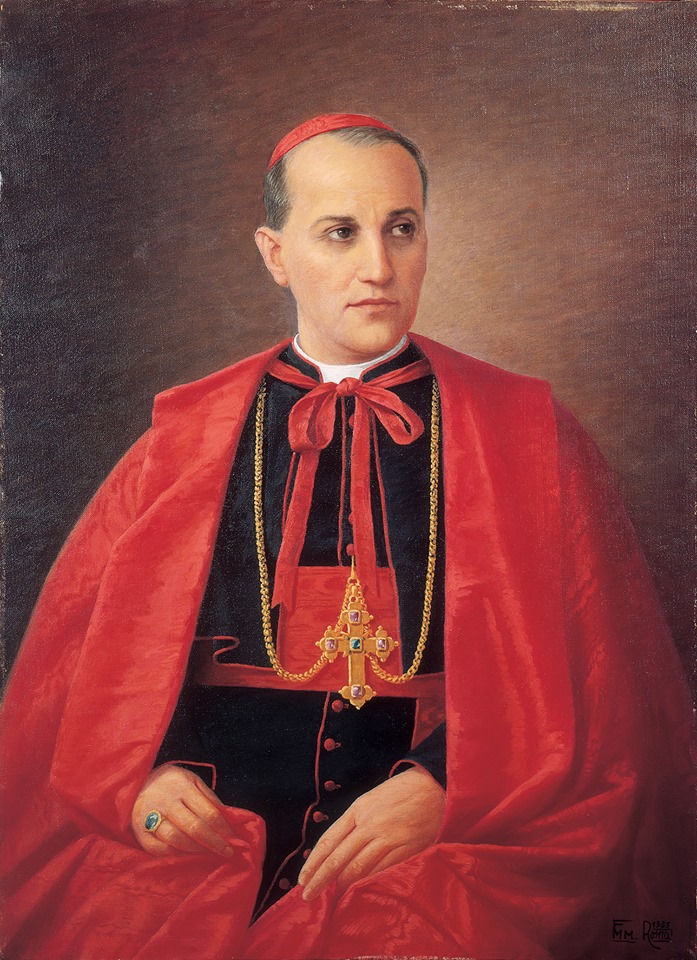
.“When they take everything from you, you’ll be left with two hands; put them together in prayer and then you’ll be the strongest.” -Blessed Aloysius Stepinac/ Alojzije Stepinac (1898 – 1960)
 Croatia, the War, and the Future